



Industry-focused learning. Real-world possibilities.Talk to our team +91 99588 73874

Oil, Gas, Marine & SafetyOil, gas, quality & industrial safety

Oil and Gas Course

Practical skills for the energy industry.

Explore training in oil and gas operations, project management, quality inspection and industrial safety. Compare four programmes and find the pathway that fits your background.

  • Piping & inspection
  • QA/QC
  • Fire & safety
Who can join
  • Plus Two
  • Degree
  • Btech
  • Tech Degree
In association withNSDC Logo SMEClabsSkill Development And Entrepreneurship SMEClabsconfederation of india logo smeclabsJain University logo smeclabsskill india logo smeclabs

Prefer to talk? Call +91 99588 73874

Oil and Gas Courses
of training
25+ years
trained
36,270+
hands-on lab
40,000 sq ft
Department
Oil, Gas, Marine & Safety
Choose your pathway
4 specialist programmes
Course duration
3 to 6 months
Training focus
Piping & inspection

Our Courses For Oil And Gas Courses

Professional Diploma in Oil and Gas with Project Management

Masters

Professional Diploma in Oil and Gas with Project Management

  • 6 months
  • Course code 46700
Eligibility:
Diploma, B-Tech

Placement support

View syllabusHide syllabus

Course syllabus

  1. Module 1 — Oil & Gas Engineering
    • Introduction to Oil and Gas
    • Upstream,midstream and downstream
    • Major units inside a refinery
  2. Module 2 — Piping Engineering& Project Engineering
    • ASME & ASTM Codes
    • Isometric drawing
    • Piping instrumentation drawing(P&ID)
    • General arrangement drawing(GAD)
  3. Module 3 — QA/QC Engineering
    • QA/QC introduction
    • QA/QC tools
    • Welding process
    • Welding inspection
    • Documents (WPS,PQR,WQT)
  4. Module 4 — Non Destructive Testing(NDT)
    • LPT (liquid penetrant testing)
    • MPT (Magnetic particle testing)
    • UT (ultrsonmic testing)
    • T (Radiographic testing)
    • RTFI (Radiographic film intrpretation)
    • VT (visual testing)
  5. Module 5 — Planning
    • primavera p6
  6. Module 6 — Soft Skill Training
    • Communication training
    • Language training
    • Placement prepration
  7. Module 7 — Piping
    • Introduction to Oil and Gas
    • Drilling
    • Oil Exploration
    • Oil Refining
    • Major units inside a refinery
    • Major refineries in the world
    • Basic Piping
    • Code and standards
    • Pipe fittings & Components
    • Valves & Flanges
    • Abbreviation and Symbols
    • Piping isometric drawings
    • Metric and imperial units
    • Trigonometry
    • Cut length calculation
    • Bill of Materials
    • GAD (General arrangement drawing)
    • P & ID and Symbols
    • Pipe supports
    • PPE’s
    • PTW
    • H2S
  8. Module 8 — Mech QA/QC
    • Introduction
    • Terms and Definitions
    • QA/QC Tools
    • Welding Positions
    • Factors affecting the welding process
    • Welding Symbols – AWS A2.4/BS-ISO
    • Defectology – Welding, Casting, Forming, Fracture
    • Mechanism (Ductile/Brittle/Fatigue)
    • Introduction to the welding process and its parameters
    • Fusion ARC Welding process shielded metal ARC welding (SMAW/MMA)
    • Tungsten Inert Gas welding (TIG/GTAW) Gas Metal ARC Welding (GMAW)-
    • MIG/MAG/FCAW
    • Submerged ARC welding thermal welding and cutting process
    • Welding Metallurgy
    • Materials – Types/composition/structure and properties
    • Alloys – Alloys and their characteristics
    • Steel and its Alloys
    • Weldability
    • Defects affecting the weldability of steel
    • Destructive testing of materials and welds
    • Heat treatments
    • stress and Distortions
    • Calibration, Safety and Weld repair
    • QC documentation – WPS/PQR/WQT/ITP
    • Types of Boilers
    • Boiler and pressure vessel inspection
    • Pressure parts
  9. Module 9 — NDT Level II
    • What is NDT?
    • Need of NDT
    • Different NDT Methods
    • Roles of NDT Level I,II and III Inspectors
    • Codes and Standards
    • Acceptance, Rejectance Criteria
    • Defectology
    • NDT Method Selections
    • Visual Testing
  10. Module 10 — Penetrant Test (PT)
    • Introduction
    • Basic Principles
    • Steps of PT
    • Classifications
    • Types of Penetrants
    • Types of Cleaning
    • Developer Types
    • Post Cleaning Methods
    • Dwell time of Penetrants and Developers
    • Fluorescent Methods
    • Blacklight and White light
    • Devices
    • Indication Development, Interpretation and Evaluation
    • Safety
    • Sensitivity rank of Developers and Penetrants
    • Brief of ASME Section V Article 6
    • Practical and Report Samples
  11. Module 11 — Magnetic Particle Testing (MT)
    • Introduction
    • Method Selection
    • Basics of Magnetism
    • Types of Magnetic Fields
    • Types of Magnetizations
    • Dry and Wet Methods
    • Wet, Visible and Fluorescent Methods
    • Field Indicators, Pi Gauge,
    • Light Measurements
    • Demagnetization
    • Hysteresis Loop
    • Introduction to ASME
    • Section V
    • Practical
    • Interpretation, Evaluation and Sample Reports
  12. Module 12 — Ultrasonic Testing (UT)
    • Introduction
    • Basics of Sound
    • Basic Principle of UT
    • Working Principle
    • Working Principle
    • Design and Construction of Probes
    • Types of Transducers
    • Calibration Methods (V1 block, V2 block, and DAC blocks)
    • Inspection Methods and Calibration
    • Data Presentation
    • Practical (Calibration of Normal, Angle Probe and Inspection of Test Pieces)
  13. Module 13 — Radiographic Testing and Film Interpretation (RT & RTFI)
    • Basics of RT
    • Review of RT variables
    • Difference between X-Ray and Gamma-Ray Devices
    • Intensity, Penetration, and Material Thickness
    • Source Selection for Gamma-Ray Technique
    • Radiographic Techniques, SFD, Exposure Time
    • Exposure Time Calculations, Film Factor, RHM
    • RT Film Types, Variables, Handling, Screens, Speed, Density, Exposure and
    • Equivalent Film Classes
    • Penetrameter – Types, Selection, and Placement
    • Film Viewing – Illuminator, Film ID, Location Marker, Densitometer
    • RT Image Quality – Sensitivity, Contrast, Definition, Unsharpness, Backscattering
    • Film Processing
    • Course, Procedures, and Written Practices
    • RT Safety Aspects, Measuring Devices, Exposure Limits, and Protection
  14. Module 14 — Primavera
    • Data, Navigating, and Layouts
    • Describe enterprise and project-specific data
    • Log in
    • Open an existing project
    • Navigate in the Home window and Activities window
    • Open an existing layout
    • Customize a lay
    • Save a layout
    • Enterprise Project Structure
    • Describe the components that comprise the Enterprise Project Structure
    • View the EPS
  15. Module 15 — Project
    • Create a Project
    • Navigate in the Project window
    • View and modify information in Project Details
    • Creating Relationships
    • View a network logic diagram
    • Differentiate between the four relationship types
    • Create relationships in Active Details
    • Scheduling
    • Perform a forward and backward pass
    • Describe float and its impact on a schedule
    • Calculate schedule
    • Analyze the scheduling log report
    • Assigning Constraints
    • Apply a constraint to an individual activity
    • Add notebook topics to constrained activities
    • Describe the available constraint types
  16. Module 16 — Maintaining the Project Documents Library
    • Describe the difference between a work product and a reference document
    • Create a document record
    • Link the document record to a project document or work product
    • Assign the project document to an activity or WBS
  17. Module 17 — Roles and Resources
    • Describe roles
    • Views the roles dictionary
    • Describe resources
    • Identify the differences between labor, nonlabor and material resources
    • View the resource dictionary
  18. Module 18 — Assigning Roles
    • Assign roles to an activity
    • Assign rates on roles
  19. Module 19 — Assigning Resources and Costs
    • Assign resources by role
    • Assign labor, nonlabor, and material resources to activities
    • Adjust Budgeted Units/Time for a resource
    • Assign expenses to activities
  20. Module 20 — Optimizing the Project Plan
    • Analyze schedule dates
    • Shorten a project schedule
    • Analyze resource availability
    • Remove resource overallocation
    • Analyze project costs
  21. Module 21 — Baselining the Project Plan
    • Create a baseline plan
    • Display baseline bars on the Gantt Chart
    • Modify the bars on the Gantt Chart
  22. Module 22 — Project Execution and Control
    • Describe several methods for updating the project schedule
    • Use Progress Spotlight
    • Status activities
    • Reschedule the project
  23. Module 23 — Reporting Performance
    • Describe reporting methods
    • Run a schedule report
    • Create a resource report with the Report wizard
    • Create a time distributed report
    • Create a report using the current layout

Questions about this syllabus?

CallEnquire
Diploma in Oil & Gas Technician

Diploma

Diploma in Oil & Gas Technician

  • 6 months
  • Course code 46701
Eligibility:
Plus Two

Placement support

View syllabusHide syllabus

Course syllabus

  1. Module 1 — Oil & Gas Engineering
    • Introduction to Oil And Gas
    • Upstream, Midstream And Downstream
  2. Module 2 — Piping Engineering
    • ASME & ASTM Codes
    • Isometric Drawing
    • Components & Fittings
    • Valves & Flanges
  3. Module 3 — QA/QC
    • QA/QC Introduction
    • Welding Process
    • Welding Inspection
    • QA/QC Tools
  4. Module 4 — Non Destructive Testing(NDT)
    • LPT (Liquid Penetrant Testing)
    • MPT (Magnetic Particle Testing)
    • UT (Ultrsonmic Testing)
    • RT (Radiographic Testing)
    • RTFI (Radiographic Film Intrpretation)
    • VT (Visual Testing)
  5. Module 5 — Industrial Safety
    • Introduction to HSE
    • Work Permit System
    • Oil & Gas Safety
  6. Module 6 — Oil & Gas Safety
    • Construction Safety
    • Hydrogen Sulfide (H2S)
    • Electrical Safety
    • Documentations (TBT, Inspection report, accident report)
    • Fire Fighting
    • Basic First Aid
    • Emergency Procedure
  7. Module 7 — Soft Skill Training
    • Communication training
    • Language training
    • Placement prepration
  8. Module 8 — Piping
    • Introduction to Oil and Gas
    • Drilling
    • Oil Exploration
    • Oil Refining
    • Main units inside a refinery
    • Major refineries in the world
    • Basic Piping
    • Code and standards
    • Pipe fittings & Components
    • Valves & Flanges
    • Abbreviation and Symbols
    • Drawings Introduction
    • Isometric Drawing
  9. Module 9 — QA QC
    • Introduction
    • Terms and Definitions
    • QA QC Tools
    • Welding Positions
    • Factors affecting the welding process
    • Defectology – Welding, Casting, Forming, Fracture
    • Introduction to the welding process and its parameters
    • Fusion ARC Welding process shielded metal ARC welding (SMAW/MMA)
    • Tungsten Inert Gas welding (TIG/GTAW) Gas Metal ARC Welding (GMAW)
    • MIG/MAG/FCAW
    • Submerged ARC welding thermal welding and cutting process
    • Welding Metallurgy
    • Materials – Types/composition/structure and properties
    • Alloys – Alloys and their characteristics
    • Steel and its Alloys
    • Defects affecting the weldability of steel
    • Destructive testing of materials and welds
    • Heat treatments
    • Stress and Distortions
    • Calibration, Safety and Weld repair
  10. Module 10 — NDT
    • Roles of NDT Level I,II and III Inspectors
    • Codes and Standards
    • Acceptance, Rejectance Criteria
    • Defectology
    • NDT Method Selections
    • Visual Testing
  11. Module 11 — Penetrant Test (PT)
    • Introduction
    • Basic Principles
    • Steps of PT
    • Classifications
    • Types of Penetrants
    • Types of Cleaning
    • Developer Types
    • Post Cleaning Methods
    • Dwell time of Penetrants and Developers
    • Fluorescent Methods
    • Blacklight and White light
    • Devices
    • Indication Development, Interpretation and Evaluation
    • Safety
    • Sensitivity rank of Developers and Penetrants
    • Brief of ASME Section V Article 6
    • Practical and Report Samples
  12. Module 12 — Magnetic Particle Testing (MT)
    • Introduction
    • Method Selection
    • Basics of Magnetism
    • Types of Magnetic Fields
    • Types of Magnetizations
    • Dry and Wet Methods
    • Wet, Visible and Fluorescent Methods
    • Field Indicators, Pi Gauge,
    • Light Measurements
    • Demagnetization
    • Hysteresis Loop
    • Introduction to ASME
    • Section V
    • Practical
    • Interpretation, Evaluation and Sample Reports
  13. Module 13 — Ultrasonic Testing (UT)
    • Introduction
    • Basics of Sound
    • Basic Principle of UT
    • Working Principle
    • Working Principle
    • Design and Construction of Probes
    • Types of Transducers
    • Calibration Methods (V1 block, V2 block, and DAC blocks)
    • Inspection Methods and Calibration
    • Data Presentation
    • Practical (Calibration of Normal, Angle Probe and Inspection of Test Pieces)
  14. Module 14 — Radiographic Testing and Film Interpretation (RT & RTFI)
    • Basics of RT
    • Review of RT variables
    • Difference between X-Ray and Gamma-Ray Devices
    • Intensity, Penetration, and Material Thickness
    • Source Selection for Gamma-Ray Technique
    • Radiographic Techniques, SFD, Exposure Time
    • Exposure Time Calculations, Film Factor, RHM
    • RT Film Types, Variables, Handling, Screens, Speed, Density, Exposure and
    • Equivalent Film Classes
    • Penetrameter – Types, Selection, and Placement
    • Film Viewing – Illuminator, Film ID, Location Marker, Densitometer
    • RT Image Quality – Sensitivity, Contrast, Definition, Unsharpness, Backscattering
    • Film Processing
    • Course, Procedures, and Written Practices
    • RT Safety Aspects, Measuring Devices, Exposure Limits, and Protection
  15. Module 15 — Ultrasonic Testing (UT)
    • Introduction
    • Basics of Sound
    • Basic Principle of UT
    • Working Principle
    • Working Principle
    • Design and Construction of Probes
    • Types of Transducers
    • Calibration Methods (V1 block, V2 block, and DAC blocks)
    • Inspection Methods and Calibration
    • Data Presentation
    • Practical (Calibration of Normal, Angle Probe and Inspection of Test Pieces)
  16. Module 16 — Safety
    • Safety, Health and environment
    • Basic First aid
    • Risk assessment
    • Work permit system
    • Roles and responsibly of safety officer
    • Fire prevention and Fire fighting
    • Construction safety
    • Equipment and vehicles safety
    • Personal protective equipment
    • Hydrogen Sulfide (H2S)
    • Emergency procedure,
    • Introduction to HSE
    • Oil & Gas safety
    • Abbreviation and definitions
    • Unsafe act & unsafe conditions
    • House keeping
    • Hot work safety
    • Hazards and precautions
    • Importance of work permits
    • Safety rules for hot work in plants
    • Welding, Cutting and Grinding
    • Scaffolding
    • Importance of scaffold in industries
    • Components/parts of scaffolds
    • Types of scaffolds
    • Inspection and tag system
    • Tool box talk
    • Material handling
    • Health issues
    • Manual handling hazards
    • Mechanical handling hazards
    • Stacking of materials

Questions about this syllabus?

CallEnquire
Certified Quality & Safety Engineer

Certificate

Certified Quality & Safety Engineer

  • 3 months
  • Course code 46702
Eligibility:
Diploma, B-Tech

Placement support

View syllabusHide syllabus

Course syllabus

  1. Module 1 — QA/QC Engineering
    • QA/QC Introduction
    • Welding Position
    • Welding Symbol
    • Defectology
  2. Module 2 — Welding Inspection
    • Welding Process
    • Weld Metallurgy
    • Weldability
  3. Module 3 — Welding Documentation
    • WPS
    • PQR
    • WQT
    • ITP
  4. Module 4 — Boiler
    • Types of Boiler
    • Pressure Parts
  5. Module 5 — Non Destructive Testing(NDT)
    • LPT (Liquid Penetrant Testing)
    • MPT (Magnetic Particle Testing)
    • UT (Ultrsonmic Testing)
    • RT (Radiographic Testing)
    • RTFI (Radiographic Film Intrpretation)
    • VT (Visual Testing)
  6. Module 6 — Safety

  7. Module 7 — Soft Skill Training
    • Communication Training
    • Language Training
    • Placement Prepration
  8. Module 8 — QA/QC
    • Introduction
    • Terms And Definitions
    • Mechanical QA QC tools
    • Welding Positions
    • Factors Affecting The Welding Process
    • Welding Symbols – AWS A2.4/BS-ISO
    • Defectology – Welding, Casting, Forming, Fracture
    • Mechanism (Ductile/Brittle/Fatigue)
    • Introduction To The Welding Process And Its Parameters
    • Fusion ARC Welding Process Shielded Metal ARC Welding (SMAW/MMA)
    • Tungsten Inert Gas welding (TIG/GTAW) Gas Metal ARC Welding (GMAW)-
    • MIG/MAG/FCAW
    • Submerged ARC Welding Thermal Welding And Cutting Process
    • Welding Metallurgy
    • Materials – Types/Composition/Structure And Properties
    • Alloys – Alloys And Their Characteristics
    • Steel And Its Alloys
    • Weldability
    • Defects Affecting The Weldability Of Steel
    • Destructive Testing Of Materials And Welds
    • Heat Treatments
    • Stress and Distortions
    • Calibration, Safety and Weld Repair
    • QC Documentation – WPS/PQR/WQT/ITP
    • Types Of Boilers
    • Boiler And Pressure Vessel Inspection
    • Pressure Parts
  9. Module 9 — NDT Level II
    • What is NDT
    • Need of NDT
    • Different NDT Methods
    • Roles of NDT Level I,II and III Inspectors
    • Codes and Standards
    • Acceptance, Rejectance Criteria
    • Defectology
    • NDT Method Selections
    • Visual Testing
    • Penetrant Test (PT)
    • Magnetic Particle Testing (MT)
    • Ultrasonic Testing (UT)
    • Radiographic Testing and Film Interpretation (RT & RTFI)
  10. Module 10 — Safety
    • Safety, Health and environment
    • Work permit system
    • Fire prevention and Fire fighting
    • Personal protective equipment
    • Hydrogen Sulfide (H2S)
    • Emergency procedure,
    • Introduction to HSE
    • Oil & Gas safety
    • Hot work safety
    • Electrical safety

Questions about this syllabus?

CallEnquire
Professional Diploma in Industrial Fire & Safety

Masters

Professional Diploma in Industrial Fire & Safety

  • 6 months
  • Course code 46703
Eligibility:
Plus Two/Diploma/Degree/B-Tech

Placement support

View syllabusHide syllabus

Course syllabus

  1. Module 1 — Industrial Safety Management
    • Job safety analysis
    • Safety audit
    • Safety survey
    • Risk assessment
    • Accident investigation
    • Work permit system
    • Emergency planning
    • PPE
    • First aid
    • Oil and gas safety
  2. Module 2 — Construction Safety
    • Confined space entry
    • Excavation safety
    • Demolition
    • Piling operation safety
    • Road safety
    • Scaffold
    • Ladders
    • Lock-out and Tag-out system
    • Hot work
    • Chemical safety
  3. Module 3 — Fire Engineering
    • Chemistry of fire
    • Classification of fire
    • Types of fire extinguishers
    • Portable fire extinguishers
    • Fire extinguishing methods
    • Machine safety
  4. Module 4 — Fire Prevention
    • Fire hydrant system
    • Fire alarm system
    • Fire fighting
    • Firefighting equipment
  5. Module 5 — Safety Documents
    • Work permit
    • Hira
    • TBT
    • Basic safety audit checklist
    • Minor injury, major injury reports
    • Near miss report
    • Accident investigation report
    • JSA
    • Action plan
    • APRR
    • Preventive maintenance planning
  6. Module 6 — Marine Safety
    • Introduction to Marine Safety
    • Maritime Safety Regulations and Standards
    • Hazards and Risk Management in Marine Operations
    • Emergency Preparedness and Safety Equipment
    • Environmental Protection and Pollution Control
  7. Module 7 — Awareness About Environmental Safety
    • Fire and safety committee
    • Emergency responds team committee
    • Environmental committee
    • Grievance committee
    • Health and safety committee
    • Machine safety committee
    • Posh committee
    • Works committee

Questions about this syllabus?

CallEnquire

Admissions open

Talk to an admissions counsellor

Get the syllabus, fees and next batch dates. We call you back within one working day.

  • Which programme fits your qualification
  • Fees and the next batch at your centre
  • Placement support after the course

Call +91 99588 73874WhatsApp

Request a call back

We share this enquiry, in coded form, with Google and Meta to measure our ads.

Practical skills & learning

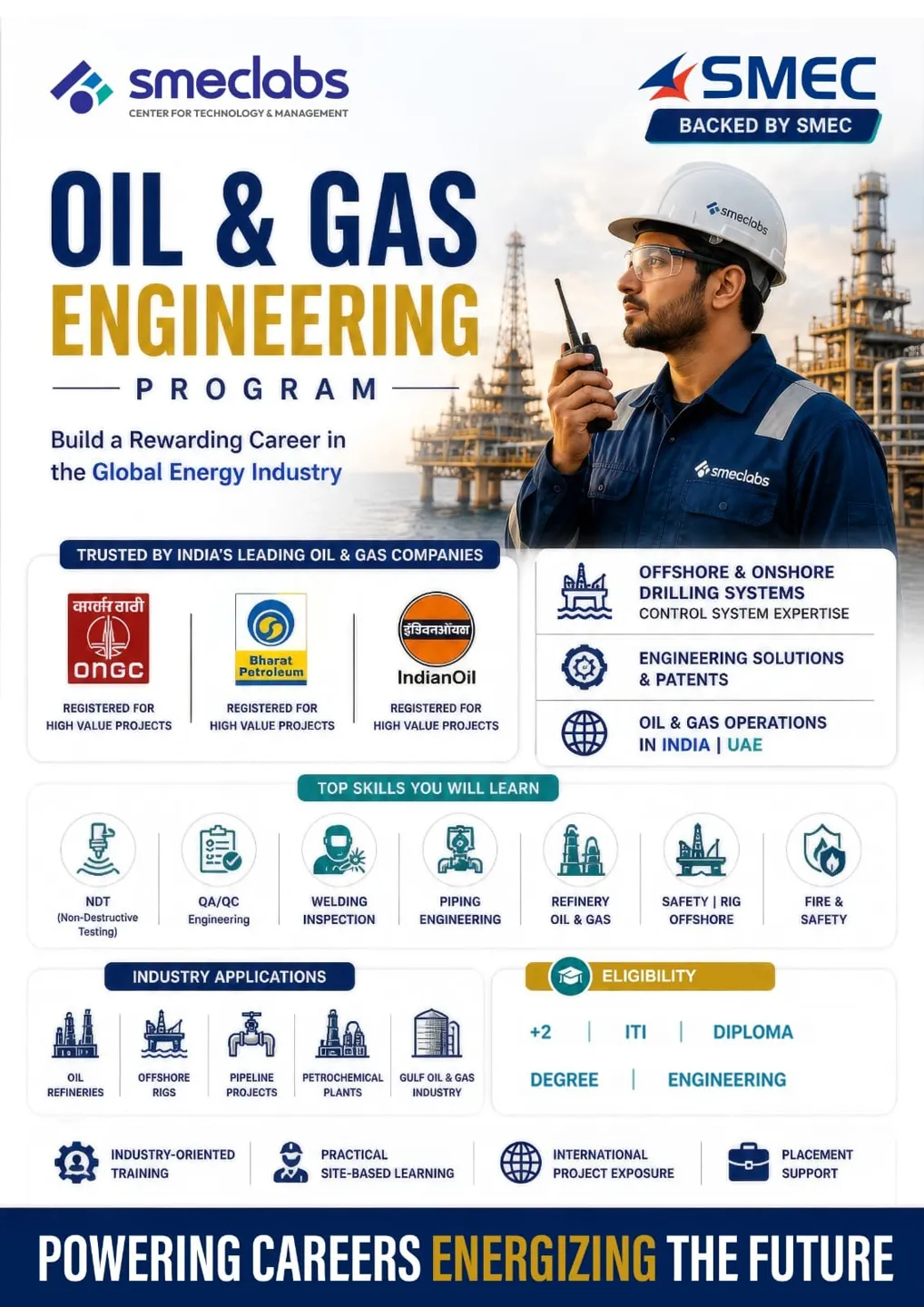
Top Skills You Will Learn

  • NDT
  • QC Engineering | QA Engineering
  • Welding Inspection
  • Piping Engineering
  • Refinery | Oil & Gas
  • Safety | Rig | Offshore
  • Fire and Safety
6:16
Oil and Gas
20:17
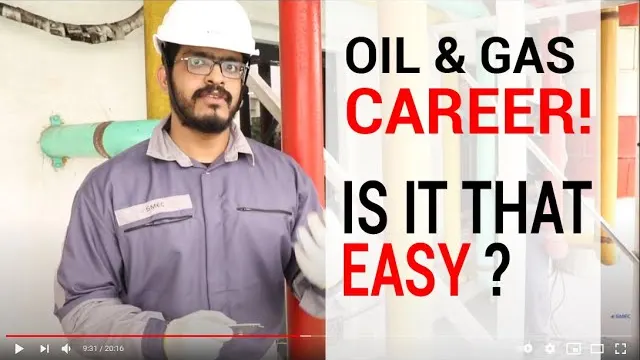
Mechanical engineering opportunities | Offshore | Onshore | Oil & Gas | Training | SMEClabs

Tools We used in Oil and Gas Courses

Career opportunities

TOP JOB ROLES IN OIL AND GAS

  • Assembly Engineer
  • Design Engineer
  • Pipeline Engineer
  • Drilling Engineer
  • Reservoir Engineer
  • Production Engineer
  • Field Service Engineer
  • Maintenance Engineer
  • Control Systems Engineer
  • Rig Operator
  • Piping Supervisor
  • Piping Foreman
  • Piping Engineer
  • QC Engineer
  • Welding Inspector
  • NDT Coordinator
  • NDT Technician
  • Project Engineer
  • Safety Officer
  • Engineer
  • Piping Design Engineer

Placements on Instagram

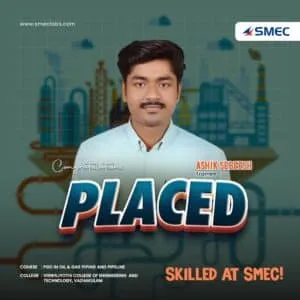
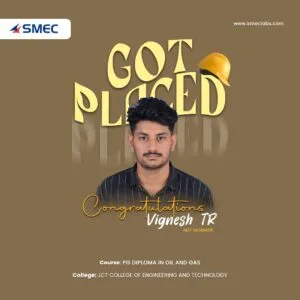
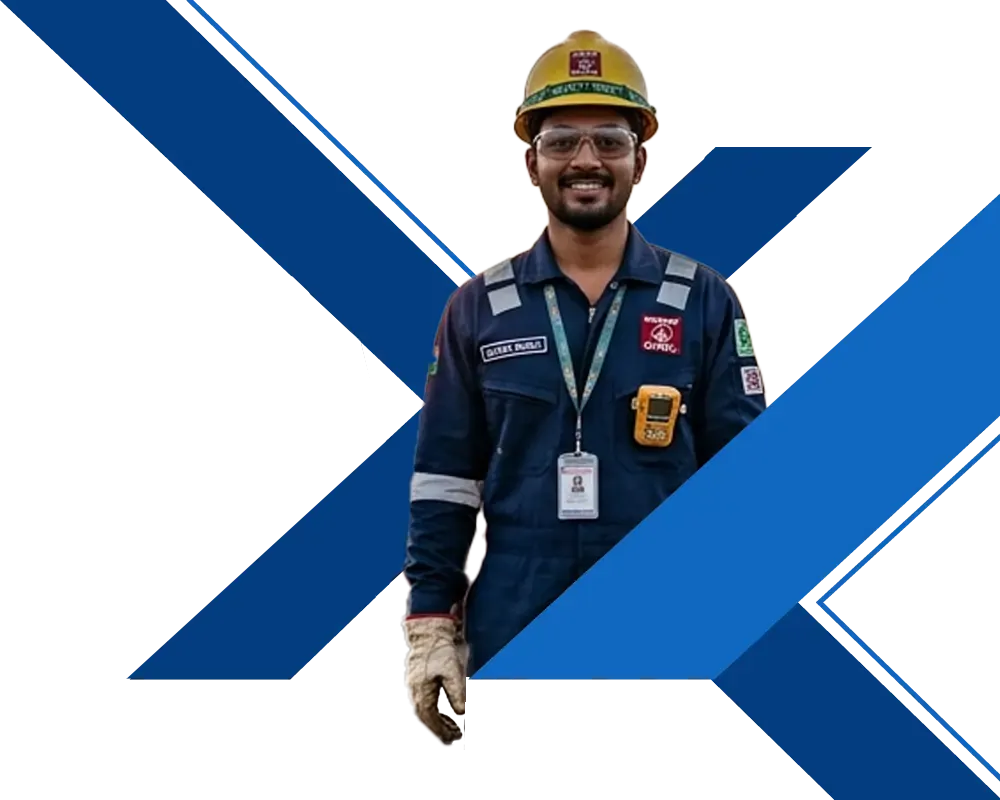
Our students, placed

Follow @smeclabs_official on Instagram
ഇത് അവളുടെ കഥയാണ് 😌❤️

ഇത് അവളുടെ കഥയാണ് 😌❤️

Meet Ayana,from an average student to a successful professional, Ayana’s journey is proof that the right guidance, practical skills, and…

October 2026 · Reel
ഒരു Expectation ഉം ഇല്ലാതെ വന്നു, ജോലി നേടി 😌🔥

ഒരു Expectation ഉം ഇല്ലാതെ വന്നു, ജോലി നേടി 😌🔥

Her journey is a reminder that sometimes, the best things happen when we least expect them. With the right guidance, practical learning…

October 2026 · Reel
A proud milestone in a journey of hard work and dedication 🔥

A proud milestone in a journey of hard work and dedication 🔥

Congratulations to Amal Sajeev on being placed as an NDT Engineer at EDC! 👏✨ Your dedication, skills, and hard work have led you to this…

September 2026 · Reel
“Course കഴിഞ്ഞ് 2 ആഴ്‌ച്ച ആകുന്നതേയുള്ളു.. അതിനുള്ളിൽ തന്നെ Job Set ആയി !! ☺️

“Course കഴിഞ്ഞ് 2 ആഴ്‌ച്ച ആകുന്നതേയുള്ളു.. അതിനുള്ളിൽ തന്നെ Job Set ആയി !! ☺️

Congratulations to Mohammed Shafi on getting placed as a BMS Operator after successfully completing the Building Management System (BMS)…

August 2026 · Reel
And he made it, the career he always dreamed of! 🤍

And he made it, the career he always dreamed of! 🤍

Congratulations to Karthik Babu on getting placed as an Embedded Engineer at ATWIC Research and Development Pvt. Ltd. after successfully…

July 2026 · Reel

See all placements (119) →Follow @smeclabs_official on Instagram ↗

Trusted by genius people.

SMEClabs have paved the way for several candidates to get their dream job.

Learning options & certification

Shareable Certificate

International & National Level Certification.

Online Oil & Gas Course

Start instantly and learn at your own schedule, Oil and Gas Course, Quick to become a professional.

Practical only subscription

Subscription for remote lab connectivity. 24x7

Flexible Schedule

Set and maintain flexible deadlines.

Classroom Oil & Gas Course

Get Oil & Gas Course in Classroom at limited locations. Ernakulam, Kochi, Kollam, Kottayam, Pathanamthitta, Chennai, Trivandrum, Thrissur, Mumbai, Calicut, Bangalore, Mangalore, Vizag, Dubai, Saudi Arabia, Qatar, Oman, Kuwait, Nigeria.

Explore the course & training

The SMEClabs Advantage: Where Training Meets Reality

As the R&D and training division of SMEC Automation—one of India’s leading EPC companies—SMEClabs provides more than just a certification. We provide an ecosystem of excellence.

World-Class Infrastructure

Our Cochin headquarters boasts a massive 40,000 sq. ft. hands-on lab facility, one of the largest in the country.

Real-World Exposure

Gain exclusive insights into the Industrial and Marine divisions of SMEC. Watch real-time control panels and projects being integrated for elite clients, including ONGC, BPCL, the Indian Navy, and the Defense sector

Expert Mentorship

Learn directly from veteran engineers. Our curriculum isn't just theoretical; it’s a direct transfer of knowledge from the field to the classroom.

Course overview & industry context

Oil & Gas Course
the demand for Engineers and technicians in Oil and Gas, Petroleum Industries has increased to a soaring height like never before. Companies have discovered that the aging workforce in Piping, Pipeline, Instrumentation, and Automation has become the paramount factor to bring in the next tier of talented technicians and Engineers in the oil and gas sector. SMEC is an ISO 9001:2015 Certified multinational company founded in 2001. SMEC has grown to become an industry leader with over 25 years of experience in the marine and Oil and gas industrial sectors.

Oil and Gas Course
  • Oil and Gas Courses
  • Safety Courses
  • QA/QC Courses
  • Piping Designing Courses
Join Now

Be part of the evergrowing energy sector and upgrade your career

Get a future-proof career

Oil and Gas Courses

Launch Your Career with Industry-Focused Oil and Gas Training

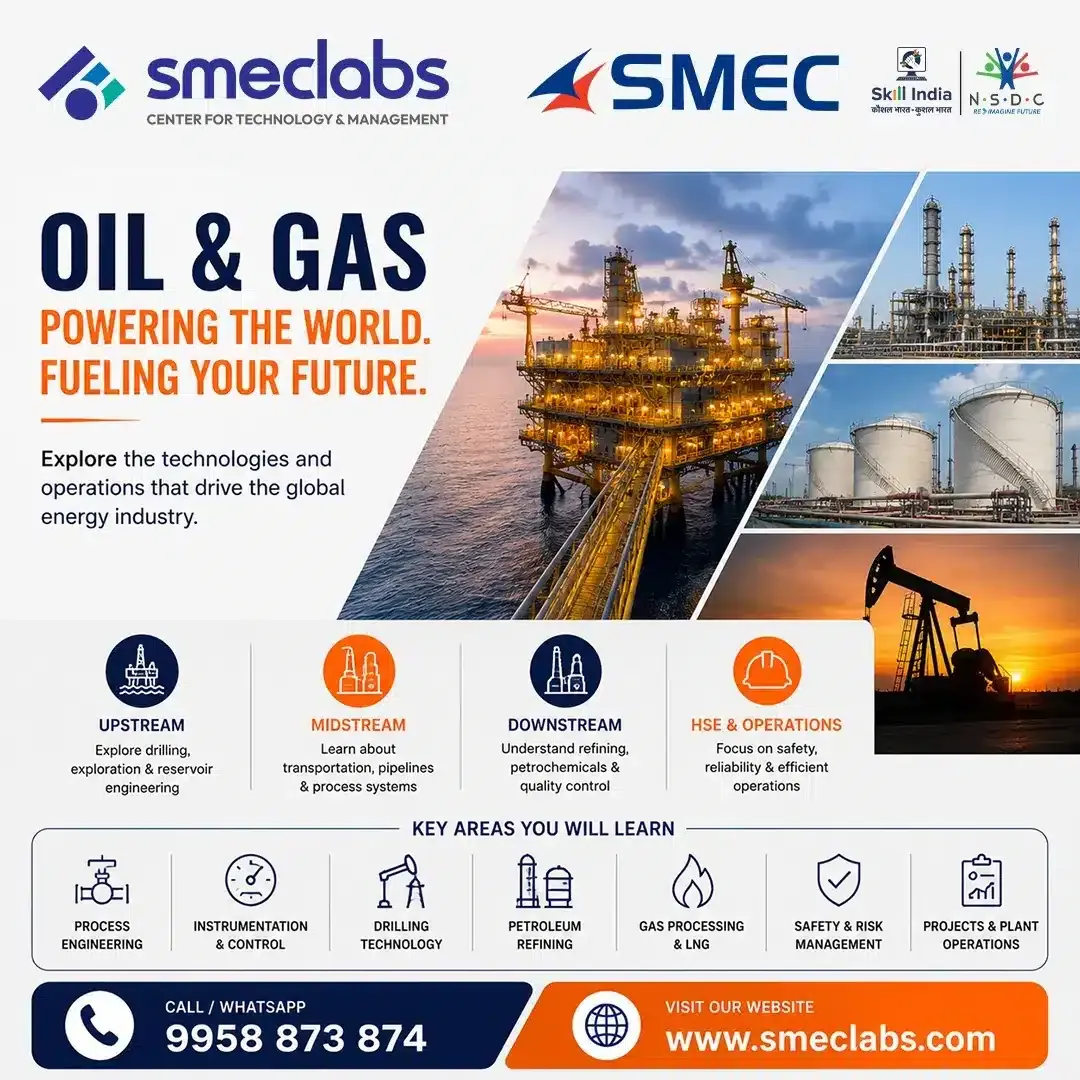
SMEClabs Oil and Gas courses are designed to prepare both fresh graduates and working professionals for rewarding careers in the global oil and gas industry. The training focuses on industry-relevant skills, combining theoretical knowledge with practical, hands-on experience. Students gain expertise in instrumentation, process control, industrial automation, safety systems, piping, and upstream and downstream operations.
The curriculum is aligned with current industry standards and delivered by experienced professionals using advanced training facilities. With project-based learning, real-world case studies, and placement assistance, SMEClabs equips learners with the technical knowledge and confidence required to secure employment in leading oil and gas companies worldwide. Read More

Training approach & opportunities

Your Golden Opportunity Awaits

The oil and gas industry remains one of the world’s most important and in-demand sectors, powering industrial activity, transportation, energy production, and global economic growth. From offshore platforms and refineries to petrochemical plants and pipeline operations, the industry offers excellent career opportunities for skilled professionals across technical and engineering disciplines. As modern energy projects continue to expand globally, the demand for trained oil and gas professionals is increasing rapidly. At SMEClabs, we provide industry-oriented Oil and Gas Training Programs designed to prepare students and professionals for successful careers in this dynamic and rewarding sector.

Our courses focus on practical learning and hands-on training in Oil and Gas Operations, Piping Engineering, QA/QC, NDT, Process Engineering, Safety Systems, Instrumentation, MEP, and Industrial Automation Technologies. With expert trainers, advanced laboratory facilities, and real-time project exposure, students gain the technical knowledge and practical confidence required to work in refineries, offshore industries, petrochemical plants, power plants, and industrial projects worldwide. We focus on both technical excellence and industry readiness to help learners build strong professional careers.

Whether you are a fresher, diploma holder, engineering graduate, or working professional, SMEClabs helps you build a strong foundation for a successful oil and gas career. Join SMEClabs and become part of an industry that powers the future in 2026 and beyond. Oil And Gas Courses Kochi Kerala

Company experience & certification information

Get ready to work in Oil & Gas.

SMEC is an ISO 9001:2015-certified multinational company founded in 2001. SMEC has grown into an industry leader with over 25 years of experience in the marine and Oil and gas industrial sectors. Training is available in Cochin, Trivandrum (Kerala), Chennai (Tamil Nadu), Mangalore (Karnataka), Visakhapatnam (Andhra Pradesh), Mumbai, Thane (Maharashtra), Sharjah, Dubai (UAE). All candidates can avail Certification accredited by the National Skill Development Corporation (NSDC), the India International Skill Center (IISC), TUV Rheinland (Germany), etc., upon successful completion of training. SMEC is authorized by the American Society for Non-destructive Testing (ASNT), American Welding Society (AWS), American Petroleum Institute (API). The demand for Engineers and technicians in the oil and gas and petroleum industries has soared like never before. Companies have discovered that the aging workforce in Piping, Pipeline, instrumentation, and automation has become the paramount factor for bringing in the next tier of oil and gas sector talented technicians and Engineers. The Oil and Gas industry has been growing non-stop since its discovery. It shows no signs of stopping in the near future.
The aging workforce of oil and gas professionals calls for new minds.Get certified in oil and gas and build a robust, high-paying career.

Eligibility & admissions

Who Can Learn Oil and Gas Courses

Courses

All candidates can avail of Certification accredited by National Skill Development Corporation (NSDC), India International Skill Centre (IISC), TUV Rheinland Germany, etc. on the successful completion of training. SMEC is authorized by the American Society for Nondestructive Testing (ASNT), American Welding Society (AWS), American Petroleum Institute (API). "Best Oil and Gas Course No1 Training Institute Kerala 2026. Diploma in Oil and gas petroleum QA/QC NDT Course 100% placement assistance"

Download Syllabus

Who Is This Program For?

  • Professionals interested in exploring Oil and Gas
  • Professionals and students who want to start their career in Oil and Gas world
  • If you think about ' Oil and Gas' then think about taking this course. you will not be disappointed
  • Fresh Graduates: B.Tech, BE, or Diploma holders (Mechanical, Electrical, Instrumentation, or Civil) who want to enter the oil and gas sector.
  • Aspirants for Abroad Opportunities: Those planning to work in the GCC/Gulf countries, as the certifications (like TUV Rheinland and NSDC) are internationally recognized.
Training & placement information
SMEClabs Kerala’s Largest Institute with 1 Lakh + PlacementsSMEClabs Best skill Developement Training Center in KeralaSMEClabs Best skill Developement Training Center in Kerala

100 %

100000 +

Oil And Gas Courses Kochi KeralaOil And Gas Courses Kochi Kerala

FAQ - Frequently Asked Questions

Which is the best Institute providing Oil and Gas Course in kerala?

SMEClabs is the best institute for Oil and Gas Course in Kerala with 100% placement Assitance.

What is an Offshore oil rig and what does it do?
Offshore oil rigs are situated in the ocean and are designed to drill wells. Offshore oil rigs extract oil from the ocean, store it, and then transport it to the shore for refining.
What are the major Oil and gas jobs?
  • Pipeline Engineer
  • NDT technician
  • Welding inspector
  • Reservoir Engineer
  • Offshore piping designer
  • Oil and gas analyzer engineer
  • Petrochemical Engineer
What are the 7 big oil companies?
  1. Saudi Aramco
  2. ExxonMobil
  3. China Petroleum and Chemical Corp
  4. Shell PLC
  5. Chevron Corp.
  6. BP
  7. TotalEnergies SE
How can a fresher join an Oil company and how to get a job in the oil and gas sector?
Freshers can join an oil company through certification; certified professionals will be easily hired. There are several institutions that provide oil and gas certification, and this certification program will train you in several areas of the oil and gas industry.
Is Oil and gas a good career choice and what is the highest salary in Oil and gas?
Job opportunities in the oil and gas sector are high because demand for crude oil increased in 2026. Almost all employees in the oil and gas sector earn more than 8.5 lakhs per year.
Which course is the best to get a job in the Oil and gas industry?

PG Diploma in Oil and Gas Piping QA/QC NDT safety is one of the top best certifications in the oil and gas industry.

Are practical sessions included in the training?
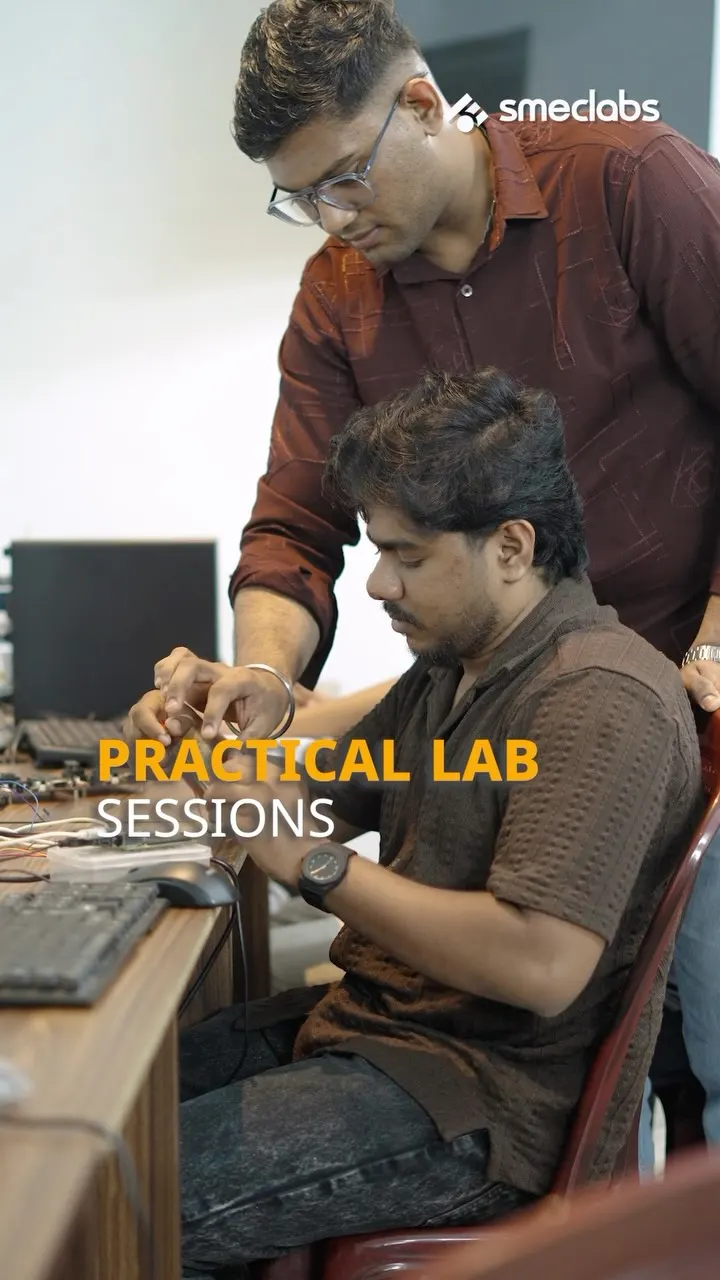
Yes. The program emphasizes hands-on practical training using industry-standard equipment, real-time projects, and advanced laboratory facilities to build job-ready skills.
What certifications will I receive after completing the course?
Successful candidates are eligible for certifications recognized by organizations such as NSDC, IISC, and TUV Rheinland, as well as training aligned with ASNT, AWS, and API standards, depending on the selected program.
Is this course useful for Gulf and international jobs?

Yes. The course is designed according to industry requirements and helps candidates prepare for employment opportunities in GCC countries and other international oil & gas projects.

Why choose SMEClabs for Oil & Gas training?

SMEClabs offers industry-oriented training with experienced faculty, practical labs, live project exposure, internationally recognized certifications, flexible learning options, and placement support to help students build successful careers.

Your next chapter

Find the right training for you.

Talk to our team about Oil and Gas Courses.

Speak to admissions
Ask us